
1. Record relevant activity
Design views around the detail needed for an investigation. Recording an area is not the same as capturing identification detail at every point.
2. Support remote observation
Compatible systems can provide authorised access to selected views. Plan permissions, connectivity and responsibilities rather than exposing unrestricted camera access.
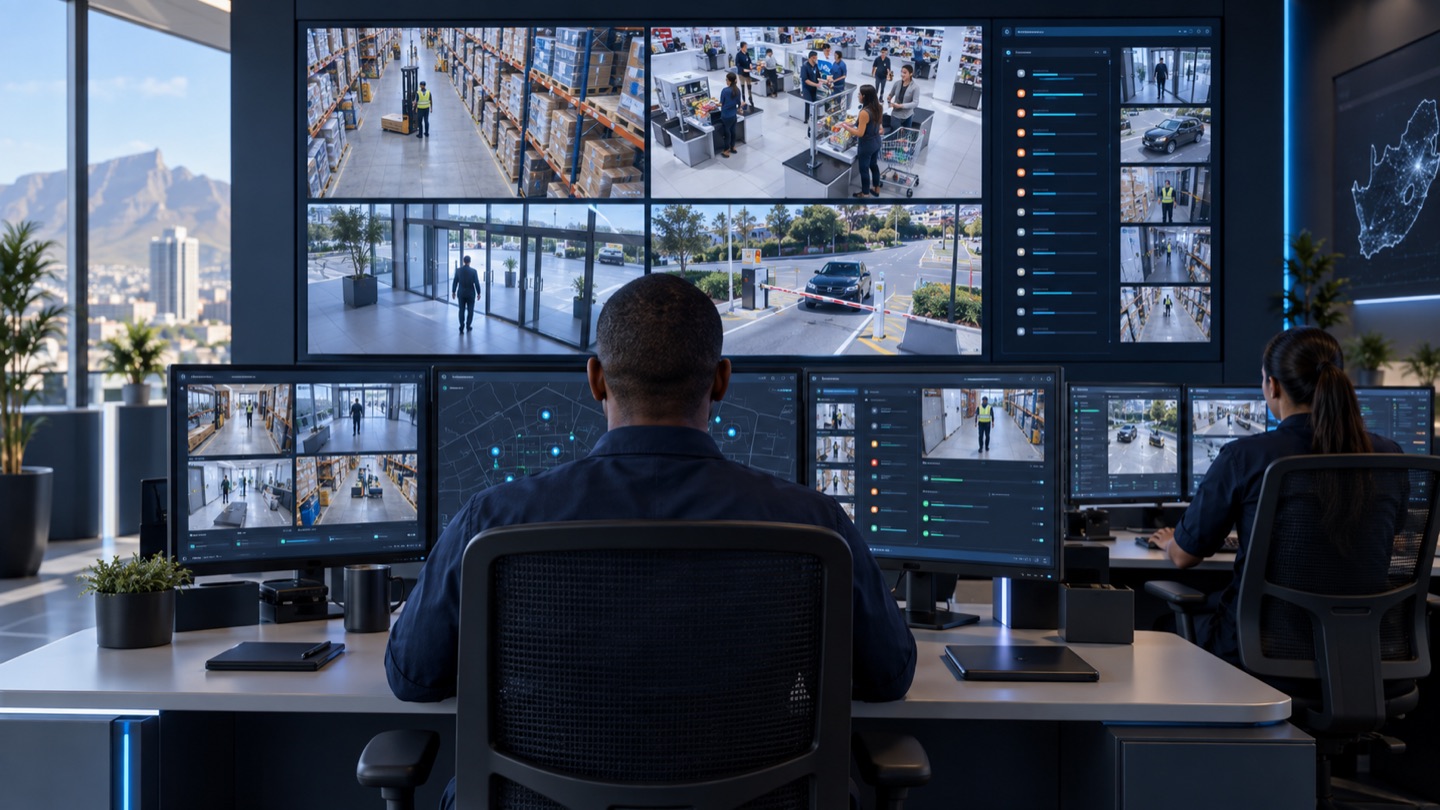
3. Surface configured events
Supported analytics can identify activity that matches a rule. Treat an event as a prompt to review, not as proof of an incident.
4. Assist incident investigation
Time-stamped footage can help reconstruct visible activity. Consider obstructions, missing views and other records before drawing conclusions.
5. Review controlled access
Connect relevant video with supported access events to investigate an entry exception. A camera alone does not enforce every access rule.
6. Examine service queues
Observe selected queue areas and compare the finding with trading conditions and staffing. Establish what the camera can reliably measure.
7. Support stock-movement review
Footage at transfer points can help locate evidence. Reconcile it with authorised inventory and dispatch records where needed.
8. Investigate workflow delays
Define observable start and end events around a specific process. Unobserved work should not be presented as a measured stage.
9. Support safety follow-up
Suitable footage and supported rules can assist a safety review. They do not certify site-wide compliance or replace established safety controls.
10. Improve management records
Connect events to review status, action owners and follow-up. Use consistent definitions and avoid overstating what the available evidence establishes.