Start with a site assessment
Map entrances, perimeters, work areas and lighting conditions against the purpose of each view. A wide overview and an identification view solve different problems. Define both before choosing camera models.

A useful CCTV system begins with the view you need to capture. Design cameras, networks and recording around evidence quality, monitoring compatibility and future analytics.
Map entrances, perimeters, work areas and lighting conditions against the purpose of each view. A wide overview and an identification view solve different problems. Define both before choosing camera models.
Lens, resolution, dynamic range, low-light performance and mounting position influence usable detail. Plate capture, people counting and broad site observation can require different arrangements. Validate the intended view instead of assuming more megapixels solve every problem.
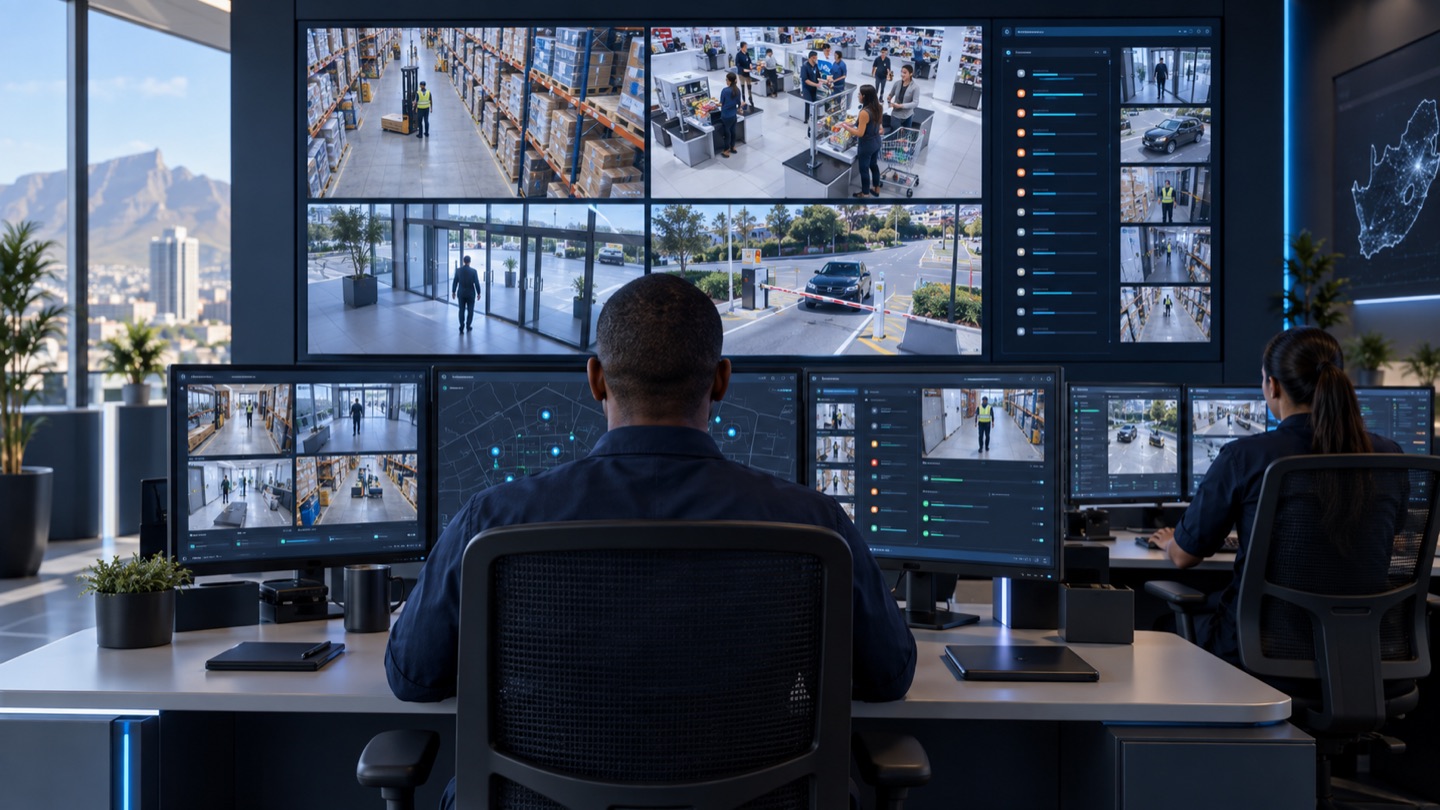
Review switching, power delivery, cabling, bandwidth and secure access. Shared networks need capacity and responsibility boundaries. Document how recording, monitoring and management access will continue when individual components fail.
Choose recording and VMS arrangements around camera count, image settings, retention and retrieval needs. Storage calculations depend on actual configuration. Agree who can export footage and how authorised access is managed.
Retain serviceable components when they meet the requirement. Replace or reposition equipment where there is a demonstrated coverage, reliability or compatibility gap. A phased upgrade can prioritise the most consequential weaknesses.
Dirty lenses, vegetation, changed shelving and failed lighting can undermine a working camera. Include routine visual checks, equipment health and maintenance responsibilities in the operating plan, especially where analytics depend on a stable scene.
Define the event, the available evidence and the person responsible for follow-up. A useful system makes the next step clear without overstating what a camera can establish.
Demonstration only. No client activity, performance figures or live connection is shown.
Document the purpose of every priority view.
Assess existing hardware, network and recording constraints.
Install or adjust the agreed infrastructure and permissions.
Validate footage, retrieval and monitoring compatibility.
Not necessarily. Existing equipment is assessed against the required image quality, interfaces and reliability. Replacement should address a specific gap.
Camera position, scene coverage, lighting and supported integrations are assessed for the selected analytics. A camera suitable for general recording may need adjustment for a specialised task.
Retention depends on the camera settings, recording schedule and storage capacity. The design should state the expected retention and how it will be checked.
Let’s talk about your people, your operations and your priorities.