TIER 1
Standard OSM
Configured detections, operator verification and agreed escalation.
Your monitoring foundationAI-powered surveillance, monitoring and business intelligence connected to your existing CCTV infrastructure.
Add intelligent applications, connect monitoring teams or manage access. Each service fits into the same journey.
Turn compatible cameras into intelligence for security, customer experience and daily operations.
Choose Standard OSM or Agentic Surveillance. Connect camera events to operator verification and agreed response procedures.
Manage people, vehicles and entry points with connected access control and automation.
Choose the applications that help you protect, understand and improve your business.
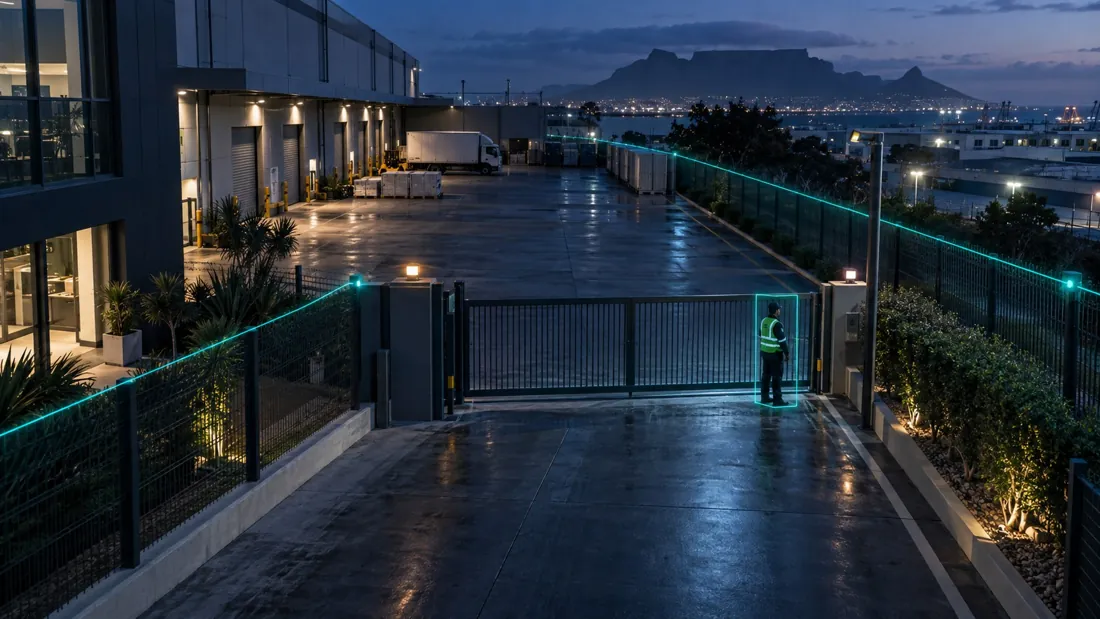 Protect Your BusinessBring intrusion and suspected loss events to attention with footage for review.Explore applications
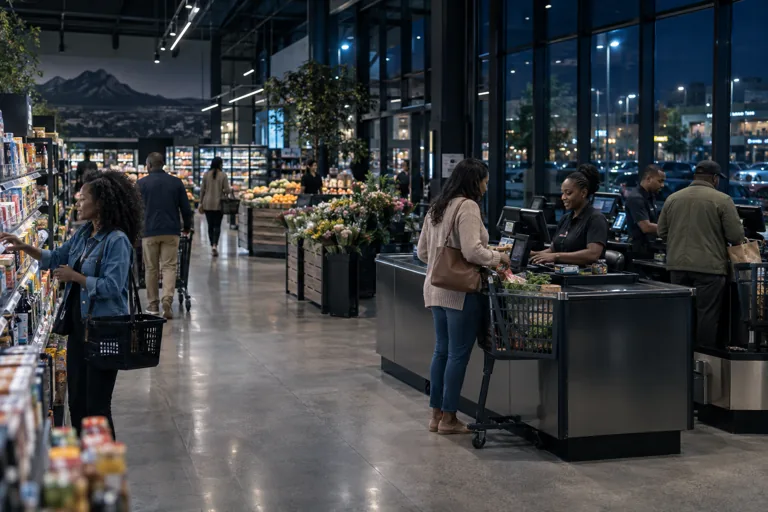 Understand Your CustomersUse footfall, queues and campaign context to improve the store journey.Explore applications
 Improve Operations & SafetySpot supported safety and process exceptions for focused follow-up.Explore applications
 Manage Sites & EvidenceFind footage, organise evidence and oversee camera health across sites.Explore applications
Connect camera events to operator verification and agreed escalation. Add AI-assisted context when your site needs a closer review.

Configured detections, operator verification and agreed escalation.
Your monitoring foundationStandard OSM with selected AI agents for scene review and clearer incident summaries.
Added context for operator reviewConnect people, vehicles and entry equipment with permissions and records that fit your operation.

Manage authorised entry, visitor permissions and time-and-attendance requirements.

Connect suitable ANPR and vehicle-entry processes with your access records.
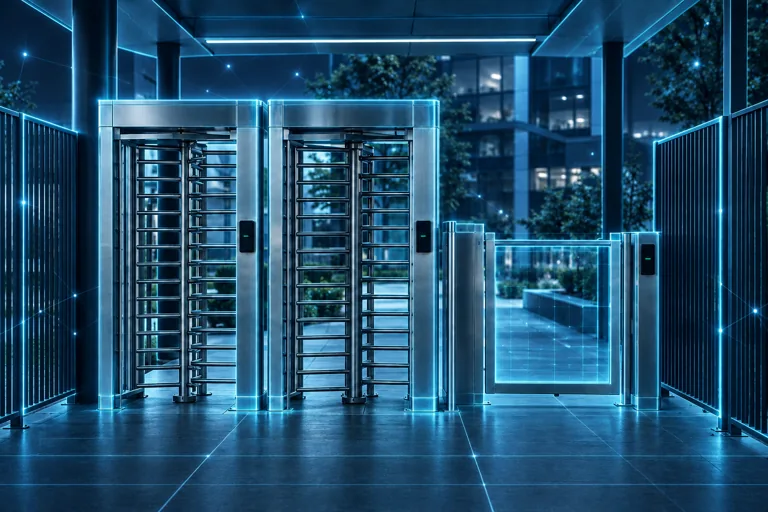
Coordinate entry equipment, access controls and supporting video context.
Choose an environment to explore relevant security and operational applications.
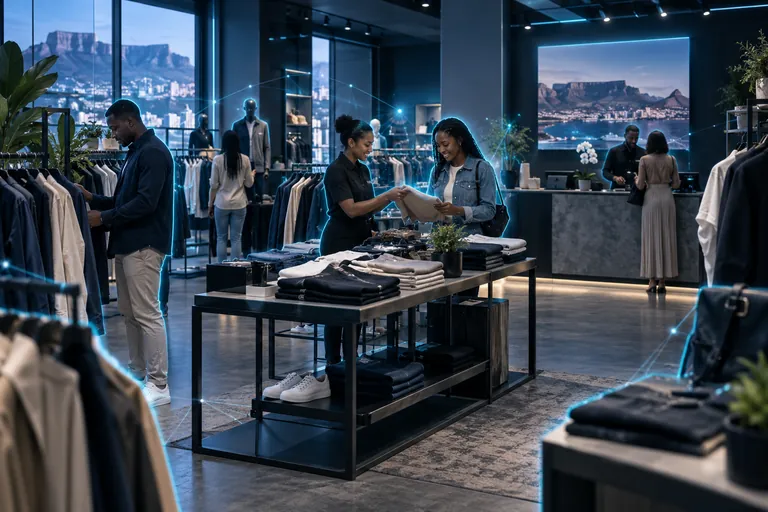
Customer movement, queues, staff coverage and stock activity create different questions throughout a trading day. A retail solution should connect the right camera view to the decision a manager needs to make.
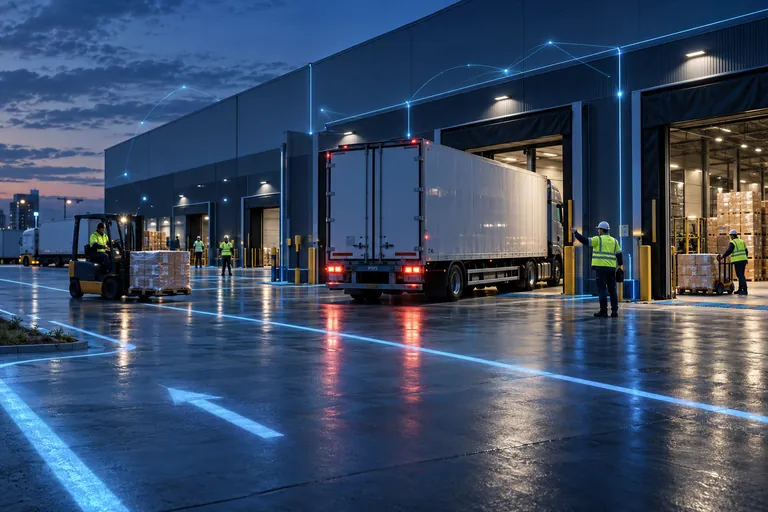
Yards, loading bays and warehouse routes generate events that matter to both security and operations. Define what needs to be observed at each checkpoint before building a reporting workflow.

Production areas need a careful distinction between operational observation, access control and safety systems. Use video to review visible activity without implying that a camera measures everything happening inside a process.

Construction monitoring must adapt to moving boundaries, temporary power, deliveries and work zones. Plan camera coverage and procedures as a changing part of the site operation.

Commercial buildings combine tenants, visitors, deliveries and service teams. A useful system distinguishes shared-area monitoring from tenant requirements and keeps access to footage appropriately controlled.

Estate security depends on clearly defined procedures for residents, visitors, contractors and perimeter events. Design technology around those responsibilities while protecting residential privacy.
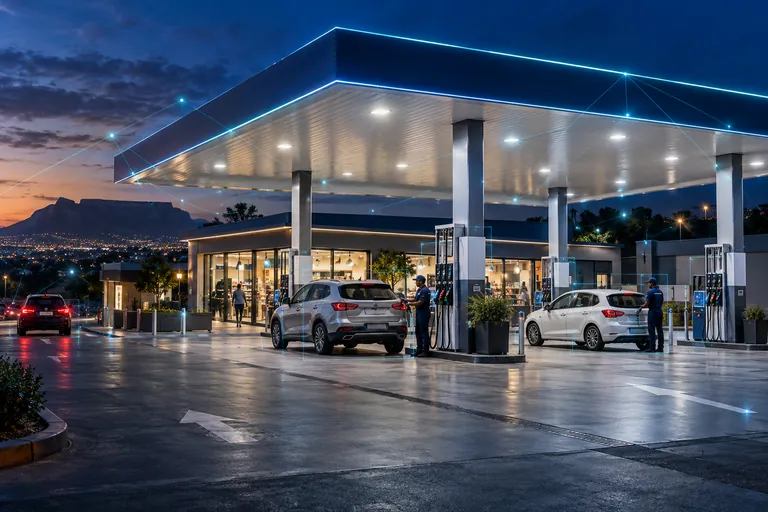
Forecourts bring together vehicles, attendants, customers and deliveries in a busy shared environment. Choose camera views that support incident review and specific operational questions.
Build on your camera network. Connect the systems you use. Bring consistent insight to every location.
Assess existing CCTV compatibility and coverage around the applications you choose.
Bring supported access and alarm events together with the relevant video.
Connect suitable POS, CRM and customer-engagement data to your analytics.
Configure platform encryption, permissions, retention and audit logging.
Scope local processing, cloud reporting, connectivity and storage to your sites.
Start with a focused deployment and expand with shared views and consistent reporting.