
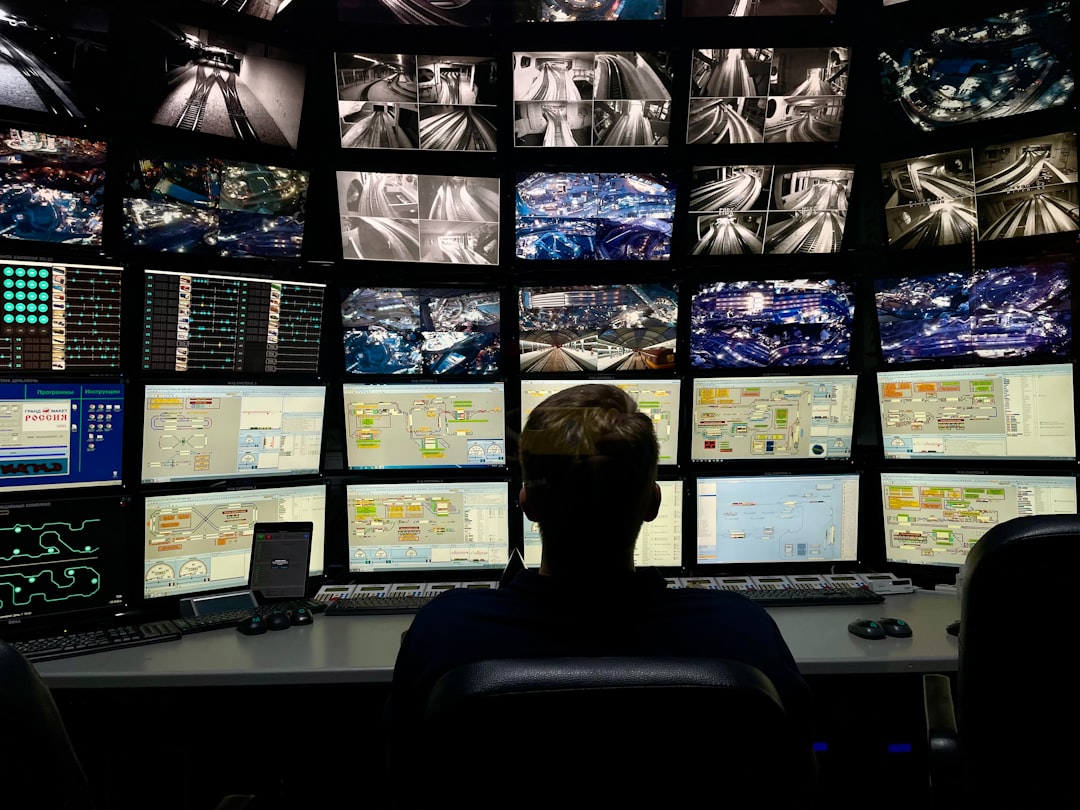
Define the observable behaviour
Useful rules describe something a camera can observe: time spent in a zone, movement across a boundary or activity during a restricted schedule. These are clearer requirements than a broad instruction to detect suspicious people. The supported rules depend on the selected technology.
Context changes the meaning
A person waiting near an entrance might be an authorised visitor, a delivery worker or someone needing assistance. The same movement can have different explanations. An event label does not settle that question; a reviewer needs the footage and operational context.
Distinguish an alert from verification
Analytics identifies a candidate event. Verification is the process of assessing available evidence against the agreed procedure. Keep those stages separate in reports and in the language used to describe the service. Do not call every automatically generated event a verified threat.
Validate specialist requirements
Violence, smoke, vaping and weapon-related detection require supported technology and a specific assessment. Ask what the system detects, the conditions under which it was tested and how uncertain events are handled. No demonstration establishes universal performance across cameras and environments.
Maintain rules as the environment changes
Lighting, vegetation, access routes and operating hours can change the meaning and visibility of an event. Record the initial configuration and agree a process for reviewing nuisance or missed events. Re-test affected scenes after meaningful changes.
Plan the action after detection
Specify who reviews the event, what information they receive and when escalation is appropriate. A detection has practical value when the response responsibilities are understood. It does not itself guarantee prevention or intervention.