
Describe the purpose of each view
An overview of a yard, an entrance identification view and a people-counting view have different requirements. Define what must be visible, when it matters and what decision the footage should support. This guides camera position and equipment selection.
Assess existing equipment first
Review cameras, recording systems, networks and remote-access arrangements. Retain useful infrastructure where it meets the requirement. Replace components to address specific gaps in coverage, reliability or compatibility rather than assuming an entirely new system is necessary.
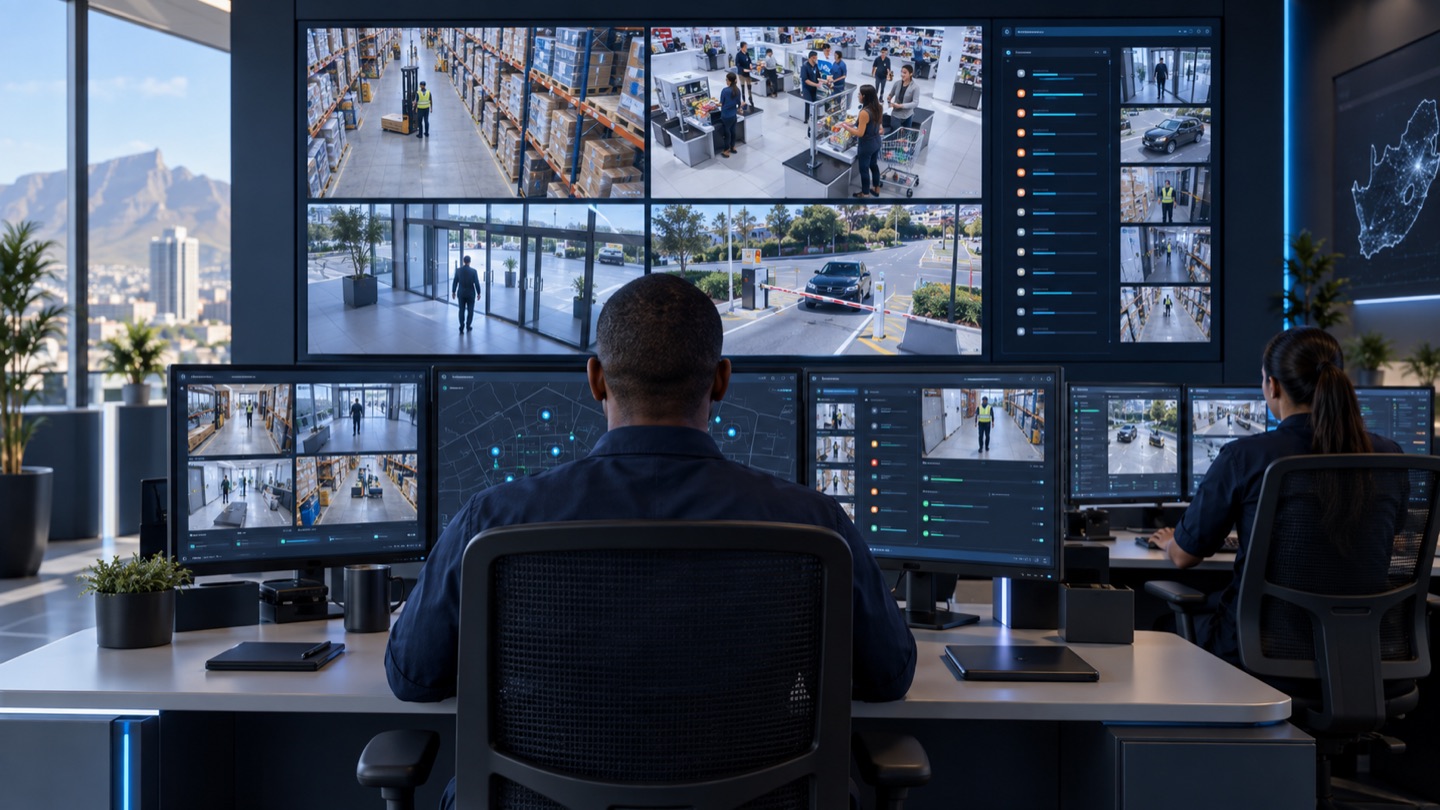
Choose analytics around observable events
A configured zone crossing or time-in-area rule is more useful than a vague promise to identify every threat. Validate the supported functions in representative conditions. Specialist detections require their own assessment and should not be assumed to work on every camera.
Connect the control-room workflow
Agree the monitoring schedule, verification procedure and escalation contacts. Define technical-fault handling separately from incident handling. A system can only support the workflow when people understand the actions and responsibilities attached to an event.
Make reporting answer a question
An incident record should retain its context and review status. Operational reporting should use consistent definitions and be interpreted alongside business records. Avoid presenting potential losses or automated event counts as verified outcomes.
Plan handover and change
Test footage retrieval, access permissions, events and escalation before handover. Record the agreed configuration and support route. Revisit views and rules when the business changes its layout, operating hours or process.