
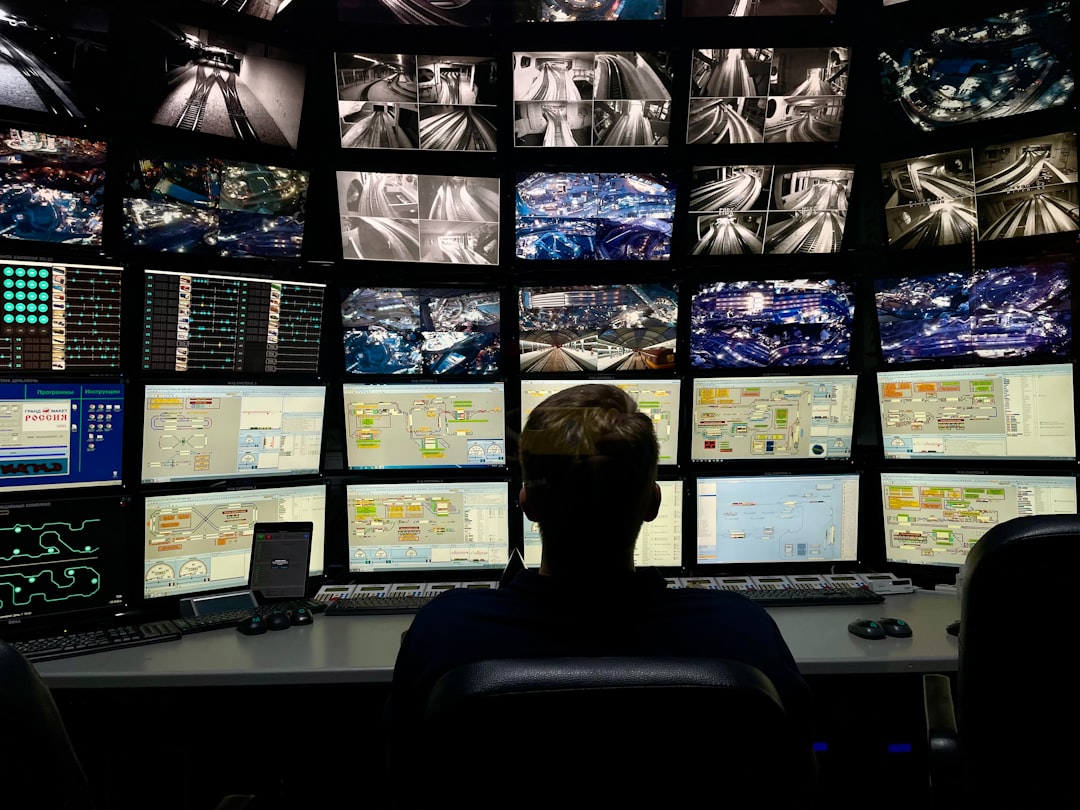
Start with the task, not the replacement claim
A camera can provide a view of an area. Analytics can surface a configured event. A monitoring operator can review available footage. On-site personnel may perform physical checks or other duties that cannot be carried out remotely. List those responsibilities before changing a security arrangement.
Review the coverage limits
Camera positioning, lighting, power and connectivity determine what can be observed. Areas outside the view remain outside the view. An offsite service should specify monitored events and hours, how faults are reported and what happens when video is unavailable.
Keep verification explicit
An alert is a prompt to assess the situation. The reviewer needs relevant video and agreed procedures. AI filtering can help organise attention, but it does not remove the possibility of nuisance or missed events. Performance needs to be considered in the actual environment.
Agree escalation and response
Define contacts, decision responsibilities and the arrangements for physical response. Keep contact lists current and test the process during onboarding. A service description should distinguish notification from an independently contracted response obligation.
Compare the full commercial scope
Equipment, connectivity, storage, monitoring, maintenance and response arrangements can affect the total cost. Compare the same requirements across proposals. Neither a lower monthly fee nor a reduction in personnel automatically demonstrates a better security outcome.
Review the arrangement over time
Use incident records and technical exceptions to understand how the service operates. Examine unresolved actions and changes to the environment. A layered plan should evolve with the organisation’s requirements rather than relying on a general claim that one method replaces another.