

Start with the exact rule
“PPE detection” is not a complete specification. Identify the equipment that must be visible, the work area and the situations in which the rule applies. A helmet check and a glove check require different detail. Ask which detections the selected system supports rather than assuming every item can be recognised.
Check what the camera can see
Distance, angle, lighting and obstructions affect visible detail. A person behind equipment may be only partly visible. Assess representative views with normal clothing, working positions and movement. Include the less convenient conditions in testing, not only a clear demonstration close to the camera.
Define an event separately from a breach
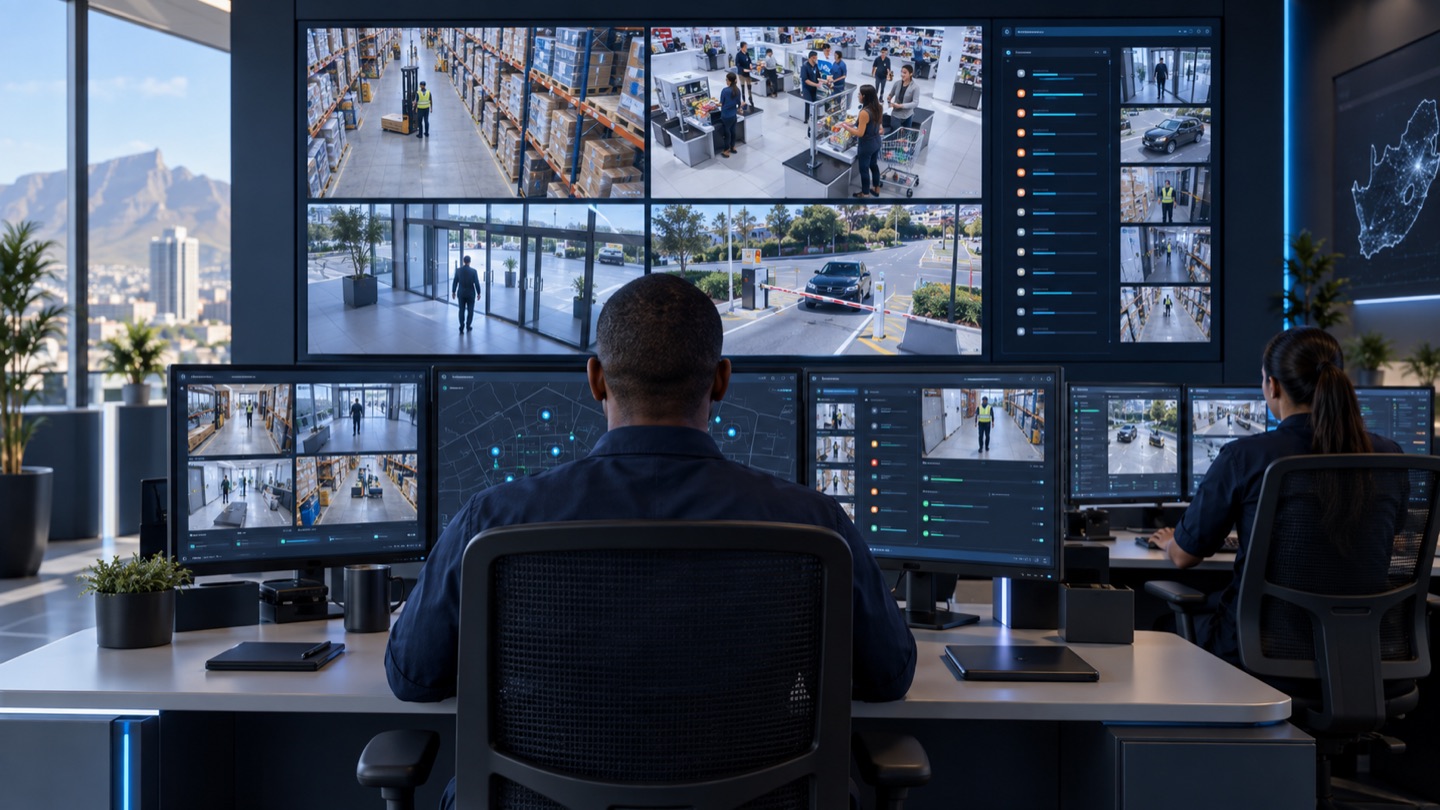
An automated event should prompt review. A reviewer needs enough context to decide whether a rule applied, what was visible and what action is appropriate. Keep an unverified event separate from a confirmed exception in reports.
Use a practical validation process
Choose representative examples with the site team, compare events with reviewed footage and record the situations that the system cannot assess reliably. Revisit the configuration when camera positions, work areas or PPE requirements change.
Keep safety responsibilities clear
Video observations support established safety management. They do not certify overall compliance or replace training, supervision, guarding or dedicated safety equipment. A dashboard should describe the scope of what was observed rather than implying complete coverage of the site.
Ask for a usable reporting workflow
Agree the review owner, escalation procedure and access to evidence. Reports should distinguish detections, reviewed exceptions and completed actions. The goal is an evidence-based follow-up process, not simply a larger count of alerts.